CASE STUDIES
In the United States, Green Banks have effectively leveraged over $14.8 billion in clean energy investments since 2011, demonstrating the substantial impact of these institutions on sustainable development and economic growth. Below are a few standout case studies showcasing the diverse and powerful effects of Green Banks in fostering environmental sustainability and equity. These examples highlight the innovative strategies and significant contributions of Green Banks to communities across the country, and the kind of work that PGCC is contributing to.

Flywheel Portfolio – DC Green Bank
The Flywheel portfolio will provide low-cost solar electricity to low and moderate income (LMI) households for the next 20 years. DC Green Bank stepped in to provide the necessary capital for Flywheel to construct the projects on time. More than 300 DC households in four distinct affordable living communities are expected to benefit from more than $3.5 million in total savings on electricity bills for the lifetime of the installations.

Partnership with Local Utilities in Older & Low-Income Homes – Colorado Clean Energy Fund
The Colorado Clean Energy Fund partnered with Fort Collins Utilities’ EPIC Homes program to provide low interest & long-term loans to residents of low-income & older homes for home improvement projects, such as HVAC upgrades, new windows, and even solar panels. These projects reduce utility bills, improve living conditions, and save customers money.

GEM$ – Hawaii Green Infrastructure Authority
Similar to a solar lease or a solar power purchase agreement, the GEM$ Energy Services Program (ESP) provides low and moderate-income (LMI) homeowners and renters an opportunity to lower their energy cost with no upfront cost. The GEM$ Energy Services Participant Agreement is a long-term contract between an energy company, which installs, owns and operates a solar PV system on the rooftop of an LMI household. Once installed and operational, the LMI Ratepayer purchases the energy generated by the Solar System for a predetermined amount and predetermined period.

Smart-E Program – Michigan Saves & Connecticut Green Bank
The Smart-E Loan Program offers homeowners the financial means to invest in energy-efficient appliances and upgrades. By distributing the high upfront costs over a period of 5 to 12 years, the program makes such investments more accessible. It provides a streamlined loan approval process through an online portal that also helps homeowners connect with reliable contractors.
As of 2023, the Smart-E Program has facilitated more than $110 million in loans, helping over 7,000 families to finance energy-saving technologies such as geothermal heat pumps and solar plus storage systems. This initiative not only promotes sustainable living but also stimulates local employment by utilizing skilled local labor for installations and upgrades.

GoGreen Home
GoGreen Home, previously called REEL (Residential Energy Efficiency Loan Assistance Program), offers a credit enhancement to mitigate the risk of default, which enables participating lenders to offer lower rates, longer payback terms and higher loan amounts, and to approve a broader base of borrowers for energy upgrade loans.
Though GoGreen Home isn’t only for Low-to-Moderate Income borrowers, around 60% of loans made in 2024 were to low income households. As of June 2024, GoGreen home has financed $117.80 million in energy upgrades.
Solarize Philly
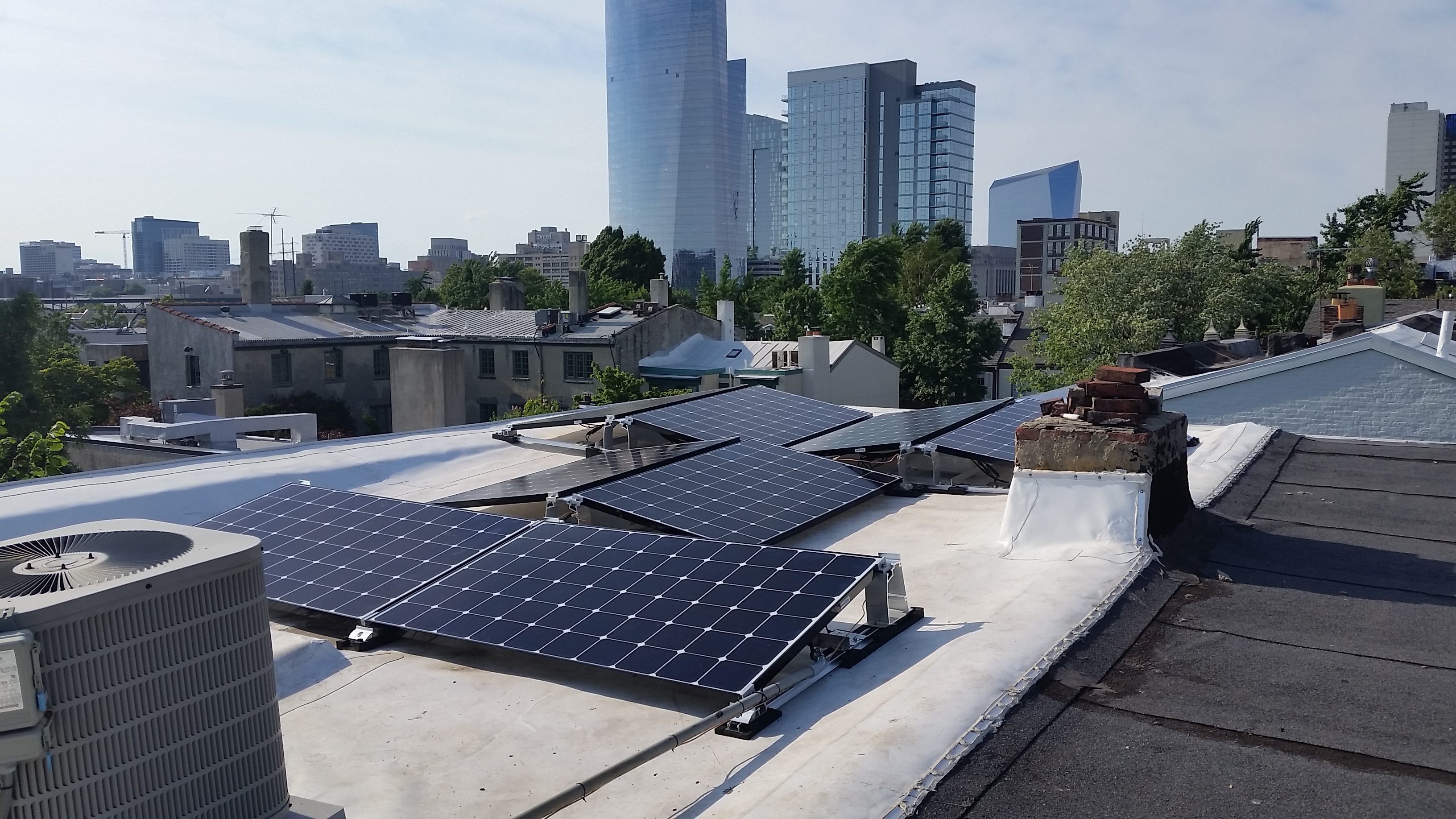
Solarize Philly is a citywide program run by the Philadelphia Energy Authority (PEA) and Philadelphia Green Capital Corp (PGCC) to help all Philadelphians go solar. PEA launched Solarize Philly to make the process of installing solar as easy and affordable as possible, while also supporting solar training at the School District of Philadelphia and improving access to clean energy for all neighborhoods. Progress as of August 2024: 3,373 Contracts Signed, 432 direct jobs created, over $64M invested in Philadelphia’s Clean Energy Economy, over 66,000 households signed up, and 17.91MW of contracted solar capacity.

CLEER Loans & Takoma Overlook Condominiums – Montgomery County Green Bank
Montgomery County Green Bank has expanded its Commercial Loan for Energy Efficiency and Renewables (CLEER) program, now supporting ten affordable homeownership communities to enhance their energy efficiency. Takoma Overlook Condominiums, a 212-unit affordable residential high-rise, has benefited significantly from this initiative. The community secured a $900,000 CLEER Loan facilitated by Sandy Spring Bank, alongside a $250,000 bridge loan from Montgomery County Green Bank and City First Enterprises.
These funds have been invested in comprehensive energy efficiency upgrades, including the installation of new boilers, domestic water heaters, a cogeneration system for on-site power and hot water, and an EV charging station. These improvements led to a 25% reduction in energy consumption for the condominiums.
Anaerobic Digesters for Sustainable Dairy Farms – Connecticut Green Bank
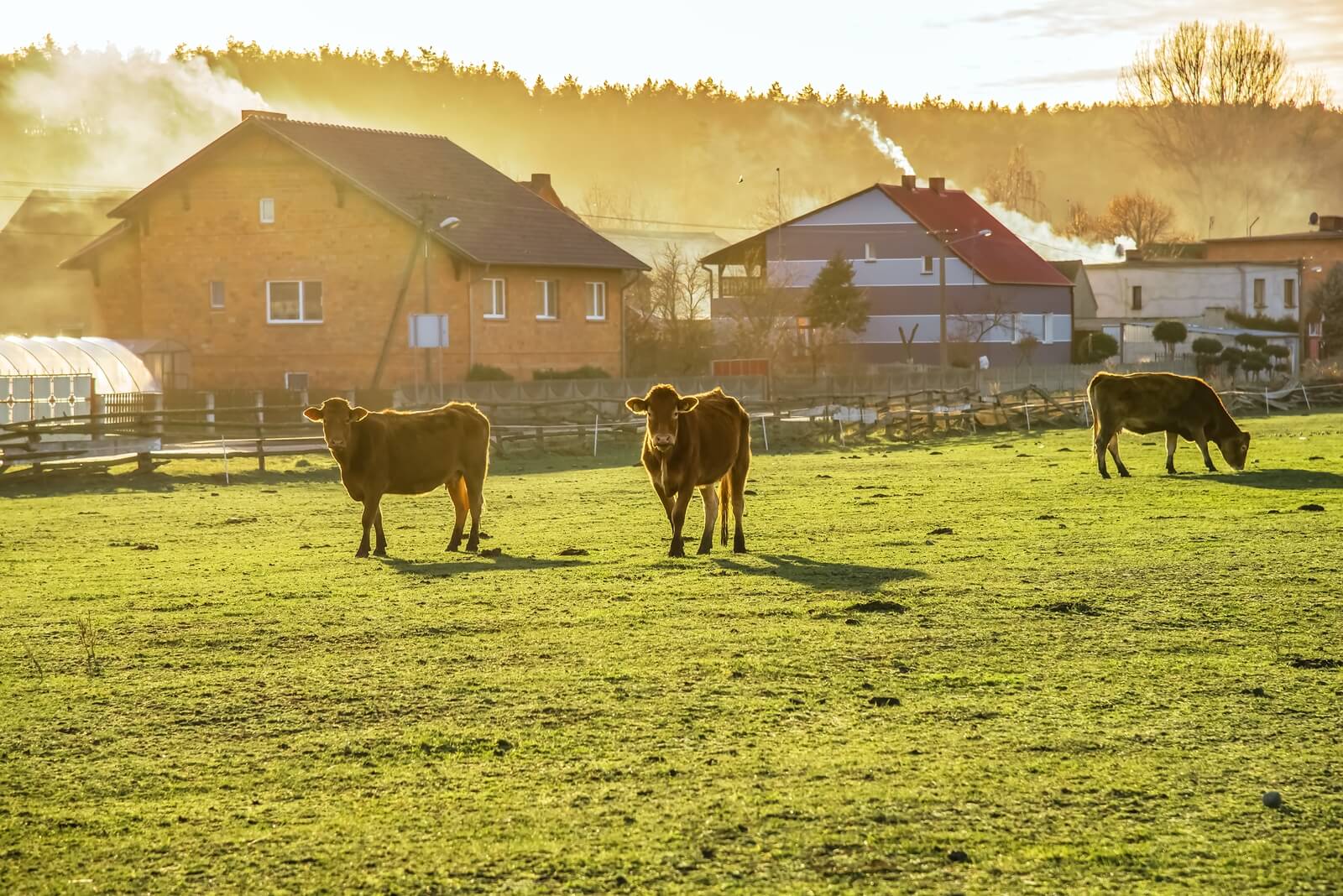
A partnership between the Live Oak Bank, the Connecticut Green Bank, and Ag-Grid Energy, enabled 10+ dairy farms to finance the construction of electricity-generating anaerobic digesters. These digesters are pivotal in sustainable farming, as each unit is capable of producing up to 600 kilowatts of electricity while annually reducing over 30,000 tons of organic waste. This initiative not only supports renewable energy production but also plays a significant role in waste management and greenhouse gas reduction at local farms.
Loans for Energy Efficient Upgrades – California Alternative Energy and Advanced Transportation Financing Authority (CAEATFA)
The Residential Energy Efficiency Loan Assistance Program (REEL) reached several milestones: over 1,000 loans enrolled and more than $16 million financed. With a streamlined pathway for microloans, an allowance of equipment leases and efficiency-as-a-service agreements, the REEL Assistance Program allows participation from finance companies with a variety of business models and support expanded financial product offerings for customers seeking to make energy efficiency upgrades.
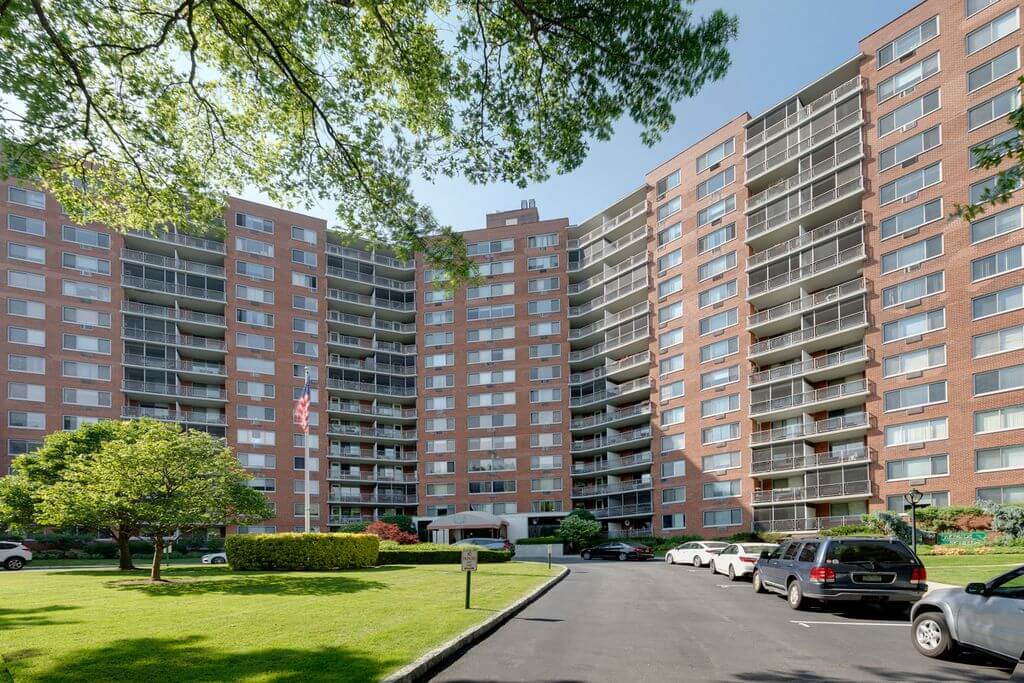
Lakeside Towers Multifamily – New York City Energy Efficiency Corporation (NYCEEC)
Lakeside Towers Multifamily, an affordable multifamily building in Queens, NY, entered into a power purchase agreement (PPA) with Strategic Finance Group to purchase electrical and thermal generation from a 125 kW Tecogen cogeneration system. NYCEEC provided a $420,000 loan to a special purpose entity owned by Strategic Finance Group to purchase and install the cogeneration system and associated equipment. NYCEEC’s financing will reduce energy waste, save the building money, and provide residents with significant resiliency benefits.

Capital Good Fund – Georgia Bright
Through the Georgia Bright program, Capital Good Fund leases solar to homeowners with no upfront cost, no ongoing maintenance costs, and no need to take out debt. The nonprofit uses Federal tax credits, Federal funding, grants, and discount bulk purchase discounts to bring homeowners’ bills down — saving the average family 20% a month, or about $10,000 – $15,000 over the term of the lease.

IPC & MCGB Partner on Solar for Multifamily Affordable Housing
IPC, Montgomery County Green Bank, NYCEEC, and Locus (formerly Virginia Community Capital) and other lenders partnered on the largest multifamily affordable housing rooftop solar project in Montgomery County, Maryland.
Constructed in 1973, Seneca Village is a 58-building, 684-unit apartment complex on 40 acres in Gaithersburg, Maryland. The project includes a combined 1.97 MW rooftop solar PV array and new, energy-efficient roofs at the complex. Seneca Village serves a range of households, 90% of which are low-to-moderate income. In the first year, the property is projected to save $267,333 in energy costs. It’s projected lifetime energy cost savings are $6,540,975.
 Philadelphia Green Capital Corp