
Deal Spotlight
Case Study: Expanding Access
to 22 MW of Solar for Smaller
Municipalities and Nonprofits
The Project
Mission-driven financing matters most when it can move quickly. Working together, Philadelphia Green Capital Corp. (PGCC) and Reinvestment Fund backed a pipeline of community-scale solar projects across Pennsylvania, solar that helps municipalities and small nonprofits access clean energy. The two participation loans, totaling $749,000, supported the borrowers' strategies, developed with their tax counsel, to establish the beginning of construction in 2025. When both borrowers requested increases to their existing facilities in late 2025, Reinvestment Fund provided $5.6 million across two facilities and invited PGCC to participate through specially structured subnotes funded with PGCC's lending capital. PGCC’s participation was anchored by a $10 million loan from the Coalition for Green Capital (CGC) provided through the U.S. Environmental Protection Agency's National Clean Investment Fund, and the Green Family Foundation. Access to this low-cost capital from CGC allowed the subnotes to offer below-market interest rates, helping strengthen the projects’ economics while supporting the borrowers' strategies. The participation loans backed two existing PGCC partners in the Solarize Greater Philadelphia program, Exact Solar and Capital Good Fund. As they worked to begin construction on approximately 22 MW of small-scale commercial solar projects across Pennsylvania, Reinvestment Fund closed the primary facilities to meet the December 31, 2025 federal timeline.
The Results
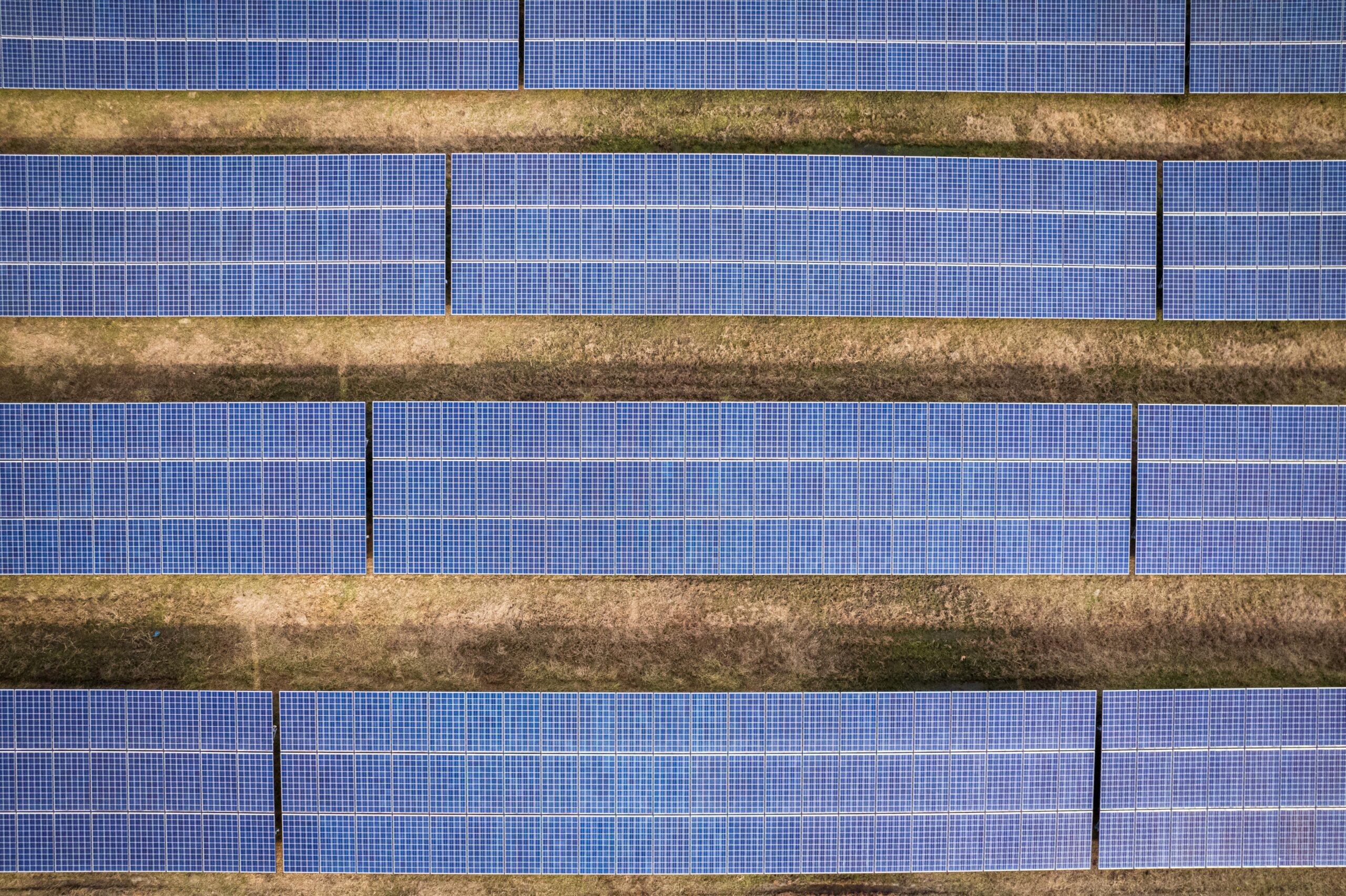
These participation loans helped advance approximately $75 million in planned clean energy investment across Pennsylvania. The planned projects include solar installations serving municipalities and small nonprofit organizations, sectors that often face significant barriers to accessing affordable capital. Preserving the federal tax credit improves project feasibility, lowers financing costs, and enables these organizations to move forward with critical clean energy investments. Collectively, the portfolio is expected to deploy approximately 22 MW of new commercial solar capacity. In doing so, it is estimated to avoid 22,000 metric tons of greenhouse gas emissions in its first year and more than 517,000 metric tons over a 25-year lifetime. These projects advance both Pennsylvania's clean energy and climate goals and demonstrate how PGCC's mission-driven financing can respond quickly to changing federal policy.